
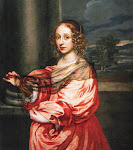


An excerpt of historical fragrances used by the more famous of our ancestors.

ALEXANDER - Used frankincense and myrrh in incense. Violets. Had tunics soaked in saffron
AMYTES - Wife of Nebuchanezzer. Favourite spot in the Hanging Gardens of Babylon was a bower of roses and lilies
APOLLONIUS OF HEROPHILIA - Best buys of ancient Greece. 'The iris is best at Elis and at Cyzicus: the perfume made from roses is most excellent at Pharselis and that made in Naples and Capua is also very fine. That made from crocus is most perfect from Soli in Cilicia and at Rhodes. The essence of spikenard is best at Tarsus and of vine leaves at Cyprus and Adramyttium.
The best perfume from marjoram and from apples comes from Cos.'
MADAME DU BARRY - Farina's eau de Cologne
CHARLES V OF FRANCE - Had lavender planted in the Louvre so that he could have lavender water made whenever he wanted. Eau de beaute...1370, first alcohol perfume. 4x30 oz brandy and 30oz rosemary flowers. Put in closed vat for 50 hours, distil in a boiler and give as oily bath for face every morning.
CHARLES VI OF FRANCE - Also loved lavender water. Had baskets of lavender hung in all his palaces to sweeten the air
CLEOPATRA - Anointed her hands with kyphi which contained 16 ingredients including oil of roses, crocus, violets. Scented her feet with aegyptium...a lotion of almond oil, honey, cinnamon, orange blossoms and henna. Ship made of cedarwood. One and a half feet depth of roses on her floors.
ALEISTER CROWLEY - The Beast - Perfume of Immortality...3 parts civet, 2 parts musk, 1 part ambergris
DIOGENES - Scented feet and legs only. Above would benefit the birds
EDWARD IV OF ENGLAND - Orris root. Several roots tied to string and dipped in boiling water to wash linen. Swete cloth
ELIZABETH I OF ENGLAND - Rose and musk. Gloves, cloak, shoes soaked in ambergris. 1. Rose and Musk perfume.....'Take 8 grains of musk and put in rosewater 8 spoonfuls, 3 spoonfuls of damask water and quarter of an ounce of sugar. Boil for 5 hours and strain it.' 2. 'Take 8 spoonfuls of compound water, the weight of two pence in fine powder of sugar and boil it on hot ember s and coals softly, add half oz of sweet marjoram dried in the sun and the weight of two pence of the powder of benjamin' Ralph Rabbards, her perfumer recommended water of violets and gillyflower water.
ELIZABETH OF HUNGARY - Hungary Water - 1370. Lavender and rosemary
ESTHER - As ordained by Jewish law, she was purified for one year. Oil of myrrh for 1st 6 months, other oils for next
EMPRESS EUGENIE - Wife of Napoleon III. Guerlain made toilet water for her with a lavender base. Named eau de Cologne Imperiale because she loved it so much
HENRY III OF FRANCE - Covered himself head to foot in amber. Also loved violet powder
HENRY IV OF FRANCE - Didn't use scent. Said to have smelt like a rotting corpse
EMPRESS JOSEPHINE - Loved rose, patchouli, musk. Violet. Napoleon hated musk - after divorce she saturated his apartments in it! Napoleon would only let her wear orange water, lavender water and eau de Cologne. She liked mignotte, reminded her of violets. He sent her mignonette seeds from Egypt.
JULIUIS CAESAR - Hated scent. Said 'I'd rather smell of garlic'
LILY LANGTRY - Pears soap
LISELOTTE OF FRANCE - Hated scent. When found husbands love letters to his boyfriends, so strongly scented that she fainted
LOUIS XIV - Perfumed his rooms with marjoram and rosewater. Washed shirts in stew of cloves, nutmeg, aloe, jasmine, orange water and musk for 24 hours. (or with storax, benzoin, rosewater and musk)
MARIE ANTOINETTE - Rosewater, violet water. Hated spicy eastern perfumes and animal scents
NAPOLEON - Used Windsor soap(bergamot, clove, lavender) Rose or violet lotions. Eau de Cologne
MADAME DE POMPADOUR - Powder for hair....orris root and odour of violets. Gloves perfumed with neroli, lavender soap. Pomade for hair...jasmine, violet, carnation, or hyacinth or orange blossom macerated in hot fat. Always had hyacinth flowers in rooms winter and spring. Pot pourris of rose, lavender, clove, nutmeg, silvery oakmoss and powdered orris root.
SIR WALTER RALEIGH - drank mix of wild strawberry leaves. Placed pot pourri of orris root powder and roses in his rooms. Used strawberry scent
SOCRATES - disapproved of scent
MADAME TALLIEN - Marie Antoinette's lady. Bathed in crushed strawberry and perfumed milk
HENRIETTA MARIA - white lavender. lavender water
AMYTES - Wife of Nebuchanezzer. Favourite spot in the Hanging Gardens of Babylon was a bower of roses and lilies
APOLLONIUS OF HEROPHILIA - Best buys of ancient Greece. 'The iris is best at Elis and at Cyzicus: the perfume made from roses is most excellent at Pharselis and that made in Naples and Capua is also very fine. That made from crocus is most perfect from Soli in Cilicia and at Rhodes. The essence of spikenard is best at Tarsus and of vine leaves at Cyprus and Adramyttium.
The best perfume from marjoram and from apples comes from Cos.'
MADAME DU BARRY - Farina's eau de Cologne
CHARLES V OF FRANCE - Had lavender planted in the Louvre so that he could have lavender water made whenever he wanted. Eau de beaute...1370, first alcohol perfume. 4x30 oz brandy and 30oz rosemary flowers. Put in closed vat for 50 hours, distil in a boiler and give as oily bath for face every morning.
CHARLES VI OF FRANCE - Also loved lavender water. Had baskets of lavender hung in all his palaces to sweeten the air
CLEOPATRA - Anointed her hands with kyphi which contained 16 ingredients including oil of roses, crocus, violets. Scented her feet with aegyptium...a lotion of almond oil, honey, cinnamon, orange blossoms and henna. Ship made of cedarwood. One and a half feet depth of roses on her floors.
ALEISTER CROWLEY - The Beast - Perfume of Immortality...3 parts civet, 2 parts musk, 1 part ambergris
DIOGENES - Scented feet and legs only. Above would benefit the birds
EDWARD IV OF ENGLAND - Orris root. Several roots tied to string and dipped in boiling water to wash linen. Swete cloth
ELIZABETH I OF ENGLAND - Rose and musk. Gloves, cloak, shoes soaked in ambergris. 1. Rose and Musk perfume.....'Take 8 grains of musk and put in rosewater 8 spoonfuls, 3 spoonfuls of damask water and quarter of an ounce of sugar. Boil for 5 hours and strain it.' 2. 'Take 8 spoonfuls of compound water, the weight of two pence in fine powder of sugar and boil it on hot ember s and coals softly, add half oz of sweet marjoram dried in the sun and the weight of two pence of the powder of benjamin' Ralph Rabbards, her perfumer recommended water of violets and gillyflower water.
ELIZABETH OF HUNGARY - Hungary Water - 1370. Lavender and rosemary
ESTHER - As ordained by Jewish law, she was purified for one year. Oil of myrrh for 1st 6 months, other oils for next
EMPRESS EUGENIE - Wife of Napoleon III. Guerlain made toilet water for her with a lavender base. Named eau de Cologne Imperiale because she loved it so much
HENRY III OF FRANCE - Covered himself head to foot in amber. Also loved violet powder
HENRY IV OF FRANCE - Didn't use scent. Said to have smelt like a rotting corpse
EMPRESS JOSEPHINE - Loved rose, patchouli, musk. Violet. Napoleon hated musk - after divorce she saturated his apartments in it! Napoleon would only let her wear orange water, lavender water and eau de Cologne. She liked mignotte, reminded her of violets. He sent her mignonette seeds from Egypt.
JULIUIS CAESAR - Hated scent. Said 'I'd rather smell of garlic'
LILY LANGTRY - Pears soap
LISELOTTE OF FRANCE - Hated scent. When found husbands love letters to his boyfriends, so strongly scented that she fainted
LOUIS XIV - Perfumed his rooms with marjoram and rosewater. Washed shirts in stew of cloves, nutmeg, aloe, jasmine, orange water and musk for 24 hours. (or with storax, benzoin, rosewater and musk)
MARIE ANTOINETTE - Rosewater, violet water. Hated spicy eastern perfumes and animal scents
NAPOLEON - Used Windsor soap(bergamot, clove, lavender) Rose or violet lotions. Eau de Cologne
MADAME DE POMPADOUR - Powder for hair....orris root and odour of violets. Gloves perfumed with neroli, lavender soap. Pomade for hair...jasmine, violet, carnation, or hyacinth or orange blossom macerated in hot fat. Always had hyacinth flowers in rooms winter and spring. Pot pourris of rose, lavender, clove, nutmeg, silvery oakmoss and powdered orris root.
SIR WALTER RALEIGH - drank mix of wild strawberry leaves. Placed pot pourri of orris root powder and roses in his rooms. Used strawberry scent
SOCRATES - disapproved of scent
MADAME TALLIEN - Marie Antoinette's lady. Bathed in crushed strawberry and perfumed milk
HENRIETTA MARIA - white lavender. lavender water


